Winter along the Wasatch Front doesn’t give much warning. One day you’re enjoying mild fall weather, the next you’re cranking up the thermostat, and that’s when it happens: your furnace decides now is the perfect time to quit.
We’ve seen it countless times in our 100+ years serving Utah. The first real cold snap hits, and suddenly our phones light up with emergency calls from homeowners across Herriman, Riverton, South Jordan, Draper, and Sandy. Families huddled under blankets. Frozen pipes threatening to burst. And wait times stretching into days because every HVAC company is slammed.
Here’s the good news: most furnace failures are completely preventable. A simple maintenance visit now can save you from an expensive emergency later. Let’s talk about why scheduling your furnace checkup before winter really sets in is one of the smartest moves you can make.
When Temperatures Drop, Service Calls Skyrocket
The pattern repeats itself every year. The first sustained cold weather arrives in the Salt Lake Valley, and heating companies get slammed with calls. Equipment shortages and high call volumes mean longer wait times for everyone. When your furnace breaks on the coldest night of January, you could be waiting days just to get a technician through your door.
That’s not a scare tactic. It’s just reality during peak winter season.
Your Neighborhood’s HVAC Equipment Is Hitting a Critical Age
If you live in Herriman, Riverton, South Jordan, Draper, or Sandy, here’s something you should know: these areas experienced major housing growth over the past 15 to 20 years. If your home was built during that boom, there’s a good chance your furnace is approaching the age where problems start multiplying.
Most residential HVAC systems last between 15 and 20 years. Once they cross that threshold, efficiency drops, components wear out, and breakdown risk climbs steadily. Add in poor installation or skipped maintenance, and improper installation and maintenance can increase your HVAC energy use by around 30% or more.1
The Hidden Danger: Carbon Monoxide
Let’s address something that doesn’t get talked about enough: carbon monoxide safety.
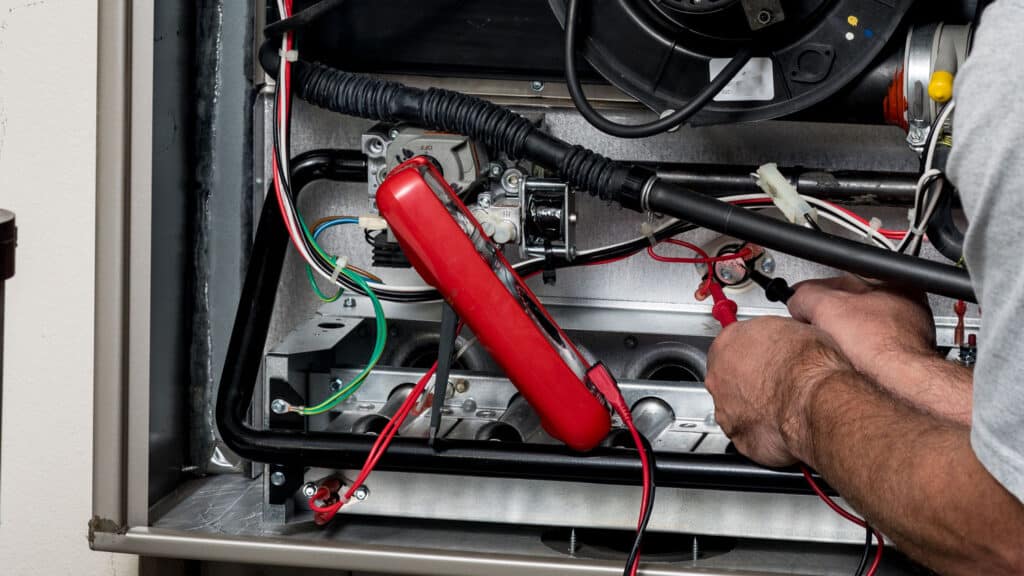
Gas and oil furnaces produce CO during combustion. When everything’s working properly, it vents safely outside. But when heat exchangers develop cracks, venting gets compromised, or combustion goes wrong, that deadly, odorless gas can leak into your home.
Carbon monoxide exposure from faulty furnaces and heating systems is largely preventable with annual HVAC inspections and working CO alarms.3 The CDC and U.S. Consumer Product Safety Commission emphasize that proper maintenance, ventilation, and monitoring are essential to reduce CO risks, especially when homes are sealed up for winter.
This isn’t something to gamble with. Your comfort is our priority, but your safety comes first.
Avoiding the Emergency Repair Scramble
Cold weather emergencies along the Wasatch Front trigger massive surges in heating service calls. Homeowners who postponed their fall maintenance suddenly find themselves without heat when they need it most.
Complete heat loss during a Utah cold spell turns dangerous fast. Indoor temperatures plummet, pipes can freeze and burst, and what should have been a routine tune-up turns into an expensive emergency repair.
We offer 24/7 emergency service because we know heating problems don’t follow a convenient schedule. But the truth is, we’d rather see you for preventive maintenance than an emergency call at 2 a.m. You save money, we can plan our schedule better, and most importantly, your family stays warm and safe without a sleepless, stressful, and cold night.
Energy Efficiency Equals Lower Bills
Regular maintenance doesn’t just prevent breakdowns. It pays you back every month through lower energy bills.
Research from the EPA and Department of Energy shows that proper HVAC preventive maintenance can improve indoor air quality and reduce building energy use, with many buildings seeing about 5 to 15% savings on total energy costs when systems are well tuned and controlled.4 When furnaces aren’t properly tuned and ducts leak air, efficiency tanks.
Studies have found that furnace tune-ups and related duct improvements can increase heating capacity by more than 20%.1 You get more heat from the same amount of fuel. Your system runs less to maintain comfort. Your bills go down.
The Real Cost of Skipping Maintenance
Here’s what the research shows: preventive maintenance makes a massive difference. Systems on structured maintenance schedules see breakdowns drop by 70% or more. Service calls fall by 30 to 50% compared to the “fix it when it breaks” approach.
Government and technical analyses show preventive programs often deliver savings of around 30 to 50% in total maintenance costs when systems are maintained rather than repaired only after failure.5
Our NATE-certified technicians have seen this play out thousands of times. The homeowners who invest in fall maintenance avoid paying for mid-winter emergency repairs.
What Happens During a Professional Furnace Inspection
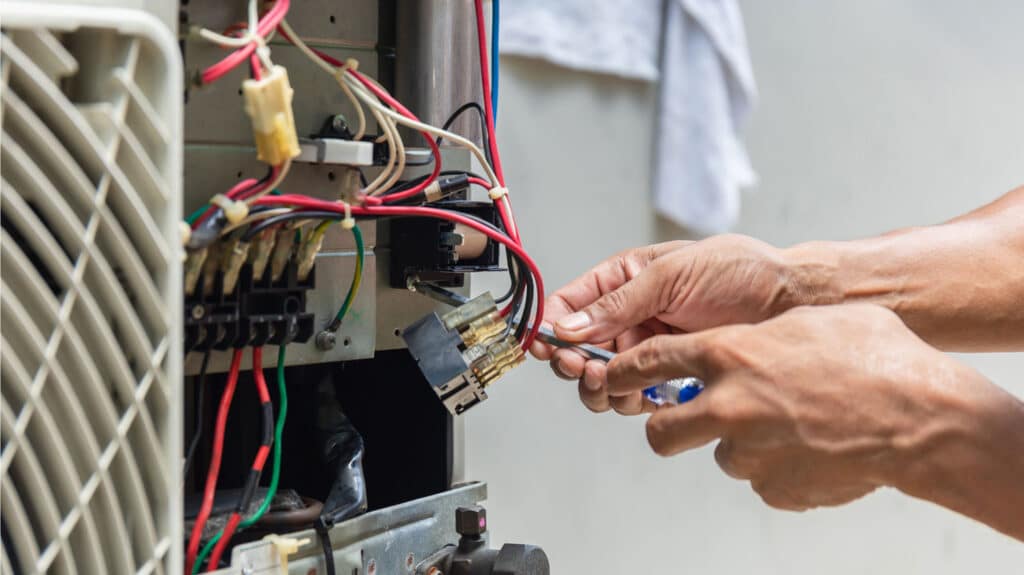
A proper furnace checkup goes well beyond changing your filter. Our licensed, insured technicians inspect the heat exchanger and venting for cracks or leaks, test combustion and CO levels, examine ignition systems and safety controls, verify airflow and blower performance, and confirm that your thermostat and filter are in good condition.
These aren’t optional extras. They’re the steps that catch hidden issues before they cause carbon monoxide exposure, poor efficiency, or system failure during a cold snap.
The Best Time to Schedule Is Right Now
Health and safety research recommends annual furnace or HVAC inspections as a core protective behavior for preventing residential CO incidents.3
The ideal time? Early fall or before the first sustained freeze. Beat the rush. Get on the schedule before everyone else realizes their furnace needs attention. You’ll avoid peak-season wait times and ensure your system is ready when winter really arrives.
We’ve been serving Utah homeowners since 1920. We know the weather patterns, we understand local systems, and we’ve seen what happens when maintenance gets pushed off one season too long.
What to Do Next
A modest upfront investment in maintenance protects what matters most: your family’s safety, comfort, and budget. It’s not about upselling you services you don’t need. It’s about making sure your heating system works when you absolutely need it to.
If you’re in Herriman, Riverton, South Jordan, Draper, Sandy, or anywhere else across the Salt Lake Valley, now is the time to schedule your seasonal inspection. Our certified technicians can also help you understand where your system stands in its lifecycle and what options make sense for your home.
Your comfort is our priority. Let’s make sure your furnace is ready before the cold snap hits.
Schedule Your Furnace Checkup Today
Why Trust Manwill
Since 1920, Manwill has been Utah’s trusted source for heating, cooling, and plumbing solutions. Our NATE-certified, licensed, and insured technicians bring over a century of expertise to every job. We’ve earned recognition as a Lennox Premier Dealer, Best of State award winner, and Salt City Best Plumber and Heat & Air company for two consecutive years.
This article is based on research from the EPA, CDC, U.S. Department of Energy, and peer-reviewed studies. We’re committed to providing accurate, reliable information that helps you make the best decisions for your home and family.
Sources
- U.S. Department of Energy. “Residential HVAC Installation Practices: A Review of Research Findings.” June 2018. https://www.energy.gov/eere/buildings/articles/residential-hvac-installation-practices-review-research-findings
- Centers for Disease Control and Prevention. “Furnace Safety Fact Sheet.” https://www.cdc.gov/carbon-monoxide/factsheets/furnace-safety-fact-sheet.html
- National Center for Biotechnology Information. “Carbon Monoxide Poisoning Prevention in Residences.” https://pmc.ncbi.nlm.nih.gov/articles/PMC4556265/
- U.S. Environmental Protection Agency. “Indoor Air Quality and Energy Efficiency.” January 2021. https://19january2021snapshot.epa.gov/indoor-air-quality-iaq/indoor-air-quality-and-energy-efficiency_.html
- WorkTrek. “HVAC Maintenance Statistics: What the Numbers Reveal.” https://worktrek.com/blog/hvac-maintenance-statistics/