Your HVAC system is probably one of the biggest energy users in your home. Between keeping cool in July and staying warm through February, heating and cooling can account for nearly half of your monthly utility costs. That’s a big chunk of your budget going toward comfort.
Manwill has been helping Utah families stay comfortable since 1920, and over the years, we’ve learned what actually works for cutting costs. Whether you’re trying to beat the summer heat or survive another brutal winter, these practical tips will help you keep your energy bills in check.
Keep Cool Without Breaking the Bank
When temperatures soar, your air conditioning works overtime. But you don’t have to choose between comfort and affordability.
Adjust Your Thermostat Strategically
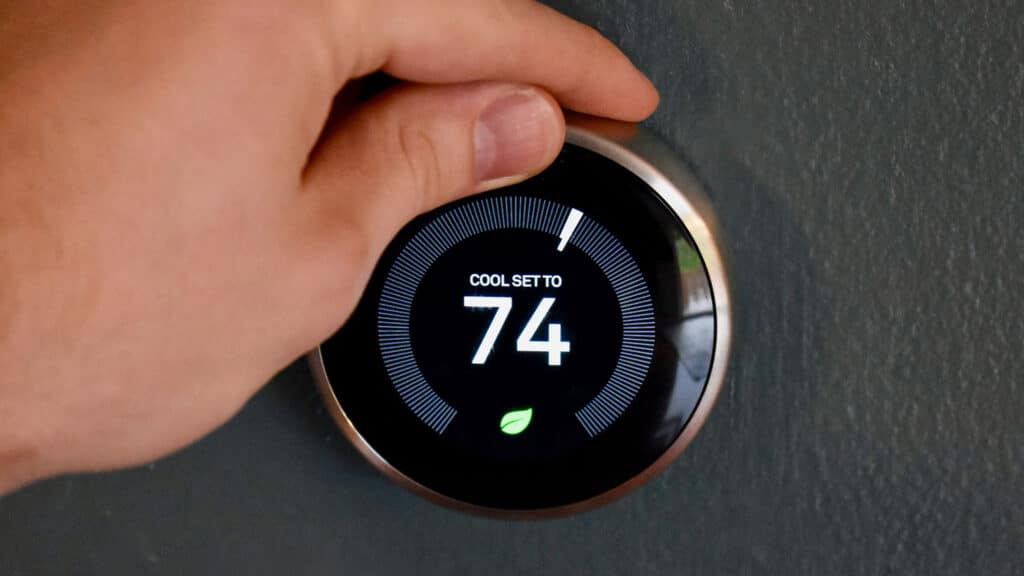
Setting your thermostat between 75 and 78 degrees when you’re home during summer might feel warm at first, but your body adjusts. Even small increases in temperature during the cooling season can lead to noticeable savings on your energy bills. When you’re away for more than a few hours, bump it up even higher. A programmable or smart thermostat makes this effortless, automatically adjusting temperatures based on your schedule so you’re not cooling an empty house.1
Give Your AC System Some Breathing Room
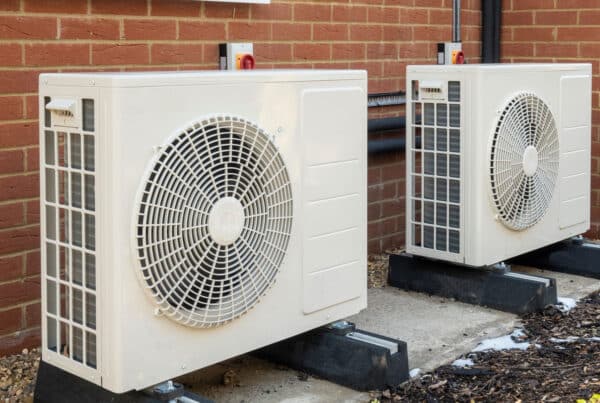
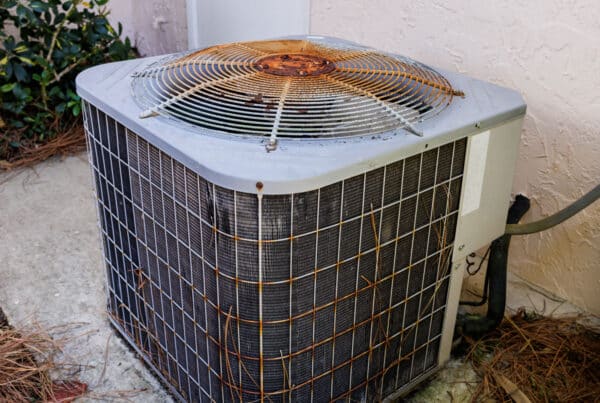
Your air conditioning system works best when airflow isn’t blocked. Check your outdoor unit regularly and clear away leaves, grass clippings, and other debris that may have accumulated around it. Inside, make sure furniture and curtains aren’t blocking your vents. Poor airflow forces your system to work harder, leading to higher bills and increased wear on your equipment. Air conditioning maintenance includes checking these things, but you can handle the basics between professional visits.
Stay Warm Without the Energy Drain
Cold Utah winters mean your heating system gets heavy use. These strategies help you stay warm while keeping costs down.
Seal the Leaks You Didn’t Know You Had
Heat escapes through the smallest gaps. Windows, doors, attic hatches, and even electrical outlets can all leak warm air. Weatherstripping and caulk are inexpensive fixes that make a noticeable difference. For bigger gaps, especially around pipes or wiring, expanding foam works great. When your furnace isn’t fighting to replace lost warmth, you’ll see the savings on your next bill.
Use Your Ceiling Fans in Reverse
Most people don’t realize ceiling fans have a winter setting. Flip the switch to run your fan clockwise at low speed, and it pushes warm air down from the ceiling back into your living space. Heat rises naturally, so this helps distribute warmth more evenly throughout the room. Your furnace won’t have to cycle on as often, which translates to lower energy use.

Year-Round Strategies
These strategies are consistent practices that compound over time. Think of them as the foundation of an efficient home.
Schedule Regular HVAC Maintenance
HVAC maintenance catches small issues before they become expensive repairs. During a tune-up, technicians clean components, check refrigerant levels, test electrical connections, and ensure everything runs efficiently. A well-maintained system uses less energy to heat or cool your home. We recommend scheduling heating maintenance in the fall and air conditioning maintenance in the spring, so your system is ready when you need it most.
Change Your Air Filters Consistently
Dirty filters are one of the most common reasons HVAC systems waste energy. When filters get clogged with dust and debris, your system has to work harder to pull air through. Check your filter monthly, especially during heavy-use seasons, and replace it when it looks dirty. Most homes need a new air filter every one to three months. This simple task keeps your system running efficiently and prevents unnecessary strain on your equipment.
Upgrade to a Programmable Thermostat
If you’re still manually adjusting your thermostat throughout the day, you’re missing out on easy savings. Programmable thermostats let you set temperatures based on when you’re home, asleep, or away. Smart thermostats take it further by learning your habits and adjusting automatically. Either option prevents you from heating or cooling your home when nobody’s there to enjoy it. The investment pays for itself through lower energy bills.2

When It’s Time for Professional Help
If your energy bills keep rising despite your best efforts, your system might need professional heating or AC repair. Aging equipment loses efficiency over time, and sometimes a repair or upgrade is the most cost-effective solution.
Our NATE-certified technicians can assess your system and recommend improvements that make sense for your home and budget. Whether it’s a minor fix or time to consider a more energy-efficient replacement, we’ll give you honest recommendations. Your comfort is our priority, and we’ve been helping Utah families make smart decisions about their HVAC systems for over a century.
Want to start saving on your energy bills? Call us today to learn how we can help lower your HVAC bill. From routine maintenance to system upgrades, we’re here to keep your home comfortable year-round without the sticker shock.
Why Trust Manwill
Since 1920, Manwill has been Utah’s trusted source for heating, cooling, and plumbing solutions. Our NATE-certified, licensed, and insured technicians bring over a century of expertise to every job. We’ve earned recognition as a Lennox Premier Dealer, Best of State award winner, and Salt City Best Plumber and Heat & Air company for two consecutive years.
This article is based on research from the U.S. Department of Energy and ENERGY STAR. We’re committed to providing accurate, reliable information that helps you make the best decisions for your home and family.
Sources
- U.S.Department of Energy. “Home cooling systems” (n.d.) https://www.energy.gov/energysaver/home-cooling-systems
- ENERGY STAR. “Low- to No-Cost Tips For Saving Energy at Home.” (n.d.) https://www.energystar.gov/products/recent_program_updates/low-no-cost-tips