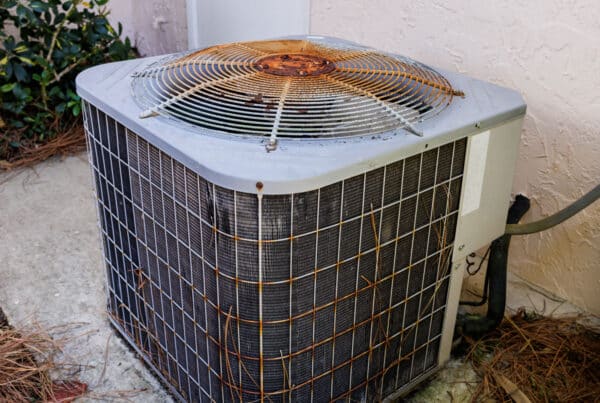
If you’ve been shopping around for a new furnace or AC, you’ve probably heard about heat pumps. One neighbor swears by theirs. Another swears theirs struggled the second the temperature dropped.
We’ve installed enough heat pumps across the Wasatch Front to know this isn’t a simple yes or no question. It comes down to your home, your current system, and what you’re actually trying to fix.
What a Heat Pump Actually Costs to Install
A central heat pump runs about $10,575 installed nationally, based on a recent survey of homeowners. Utah homeowners generally see something in the $6,500 to $14,500 range for a full heat pump replacement, with altitude and temperature swings pushing both ends of that range wider than the national average. A heat pump usually makes the most financial sense when you’re due for both a furnace and an AC, since the heat pump handles heating and cooling in one unit.
Do Heat Pumps Even Work in a Utah Winter?
Older heat pumps with mechanical controls struggled once temperatures dropped below freezing. The older heat pump systems were also backed up by resistance heat which could get expensive. Today’s cold-climate models are a different beast entirely.
ENERGY STAR-certified cold-climate heat pumps use advanced compressors and refrigerants built specifically for low-temperature performance. The technology handles cold air far better than the units your parents had. That said, sizing and installation still matter more than the label on the box. A heat pump sized for someone else’s house won’t perform like one sized for yours.


The Math That Actually Matters: Electricity vs. Gas
The US Department of Energy estimates average savings around $500 a year when a heat pump replaces less efficient heating, and heat pumps can cut electricity use for heating by roughly 75% compared to electric resistance systems like baseboard heat. Compared to gas, the equation shifts. EnergySage’s analysis found that for a heat pump to beat gas on operating cost, electricity needs to price out at 10% or less of what gas costs per therm.
Utah complicates things: the state’s natural gas rates dropping in recent years and remain some of the more affordable in the country, while electricity has also historically ranked among the lowest-cost power in the nation. Both fuels are relatively cheap, which means the savings for a switching to a heat pump isn’t as automatic as it might be in states with higher gas prices.
This is why we talk to a lot of Wasatch Front homeowners about dual fuel systems instead. You can have a heat pump running during milder months, and a gas furnace kicking in when temperatures drop, hence the term “dual fuel”. So you’re using whichever fuel is more efficient for the job at any given time. That combination beats a traditional all-electric setup on comfort and on the bill for many homeowners.
Rebates and Incentives Worth Knowing About in 2026
The rebate landscape shifted this year, so it’s worth a real update instead of recycled numbers.
The federal Section 25C tax credit for heat pumps expired December 31, 2025 and isn’t available for systems installed in 2026. Rocky Mountain Power’s Wattsmart program is still very much alive, though, offering Rebates up to $2,000 cash back when you convert to a qualifying dual fuel, ductless, or high-efficiency heat pump. That rebate can close the gap between a heat pump system and a straight furnace replacement, provided you are a Rocky Mountain Power customer and your contractor is on Rocky Mountain Power’s approved list and the equipment meets program requirements.

So, Are Heat Pumps Worth It?
It depends. If your current furnace and air conditioner are both nearing the end of their life at the same time, a heat pump or dual fuel system often makes more sense than replacing both separately.
If you’re comfortable with your gas furnace and just need a cooling upgrade, the case is less clear cut, and we’ll tell you that straight instead of pushing equipment you don’t need.
That’s always been our approach. We’ve been keeping Utah homes comfortable since 1920, and our NATE-certified technicians walk your house, run the numbers, and give you an honest answer before you spend a dollar.
Wondering what makes sense for your home? Reach out to Manwill, and we can provide a free in home estimate for a new HVAC system. Let’s figure out the right system for you and your home.