You set the thermostat. You wait. You check it again, and it’s still hovering at 80 degrees, maybe 81. The AC is clearly running, but your house feels like it’s doing the bare minimum.
Utah summers don’t mess around, and when your air conditioner starts falling short, even by a few degrees, it goes from annoying to miserable pretty fast. The good news? There are fixable reasons this happens, and here’s what you can do about it.
First: Is Something Actually Wrong?
Before we get into repairs and fixes, it’s worth asking a quick question. What’s the outdoor temperature when your AC struggles most?
Most AC systems are designed to cool a home to a temperature roughly 20 degrees below the outdoor temperature. So if it’s 100-plus degrees outside, your system may genuinely be working as intended, it just can’t outrun the heat.
If your AC only struggles on the hottest days of the year, adding a ceiling fan or two can make a real difference without any repairs at all. But if your system is lagging when temperatures are moderate, something else may be going on.
Common Reasons Your AC Won’t Go Below 80 Degrees
1. A Dirty Air Filter
A dirty air filter can cause all sorts of problems. When the filter is clogged up, air can’t flow like it’s supposed to, which means your AC has to work harder, and even then it’s not moving enough cool air around to really drop the temperature.
Your filter’s job is to trap dust and debris before they work their way into the system. When it gets packed full and airflow slows to a crawl, that dirt starts finding other places to land, including the evaporator coil. Once the coil gets coated, it loses its ability to pull heat out of the air, and your cooling capacity drops with it.
Most manufacturers recommend changing 1-inch filters every 1 to 3 months, though thicker 4 to 5-inch filters can last up to 6 to 12 months. Homes with pets or anyone with allergies should lean toward the shorter end of those ranges.
Pull the filter out. If it’s gray and packed with dust, that’s your answer. A fresh filter takes two minutes to install and might solve the whole problem.
2. A Blocked or Dirty Condenser Unit
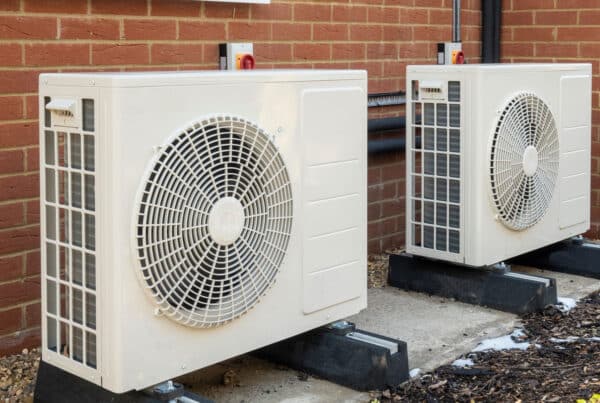
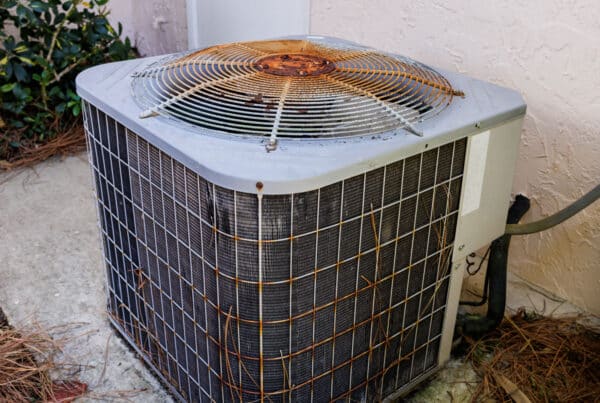
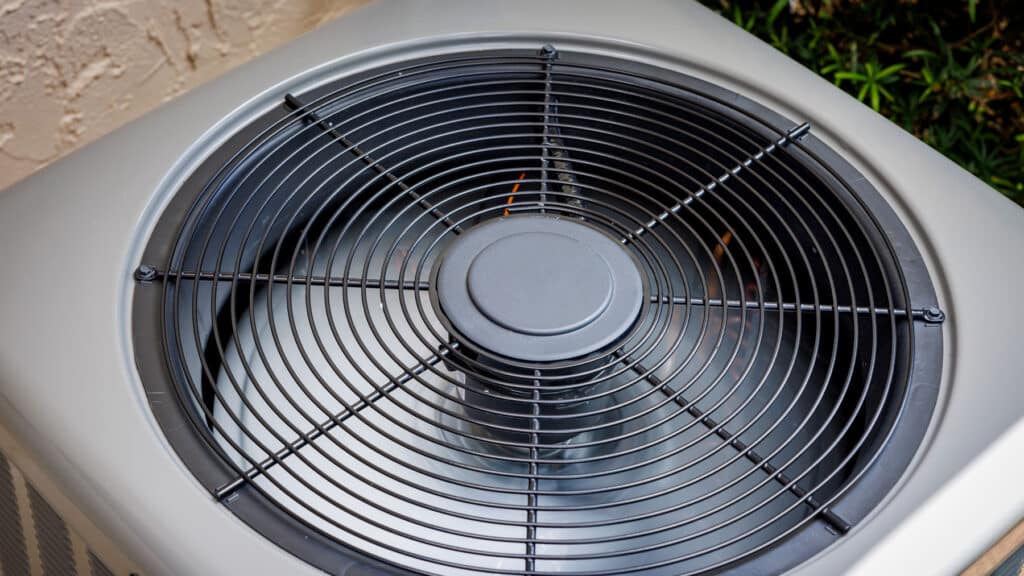
Your outdoor unit, the condenser, is doing heavy lifting every time the AC runs. Its job is to push all that heat from inside your home out into the open air. When it’s surrounded by shrubs, caked with debris, or buried under a summer’s worth of grass clippings, it can’t do that.
When supply ducts have gaps or unsealed joints, the cool air your system worked hard to produce escapes into the attic or crawlspace before it ever reaches your living areas. And your condenser needs room to breathe. Crowd it with shrubs or debris, and it can’t dump that collected heat anywhere, so it just recirculates back inside and your home never cools down the way it should.
Walk outside and take a look. The U.S. Department of Energy recommends keeping the area around the condenser unit clean, removing debris, and trimming foliage back at least two feet to ensure adequate airflow around the unit. A gentle rinse with a garden hose can also clear off built-up dust and grime on the coils.

3. Low Refrigerant from a Leak
Refrigerant is what actually makes the cooling happen. It absorbs heat from the air inside and carries it outside. If your system is low on refrigerant, the refrigerant is not consumed like gas in a car, so if levels are low, something is leaking. The safest solution is to call a professional HVAC contractor who can identify and fix the leak, or replace the cracked coil.
Signs to watch for:
- Hissing or bubbling sounds near the unit
- Ice forming on refrigerant lines
- Warm air blowing from vents even when the system is running full speed
These aren’t things to ignore. A refrigerant leak doesn’t fix itself, and running the system in that condition can cause compressor damage that gets significantly more expensive.
4. Leaky or Poorly Sealed Ductwork
According to the U.S. Department of Energy, ducts that leak cooled air into unconditioned spaces can add hundreds of dollars a year to your utility bills. If the supply ducts are leaking, conditioned air can be forced out of unsealed joints and lost entirely before it ever reaches your living spaces.
This one is tricky to diagnose on your own because most ductwork is hidden in walls, crawlspaces, or attics. If certain rooms always feel warmer than others, or your system runs constantly without catching up, leaky ducts are a posible culprit. A professional inspection can pinpoint the problem and seal things up properly.
5. Closed or Blocked Vents
It seems logical, close the vents in rooms you’re not using to save energy. In reality, it backfires.
Closing vents restricts airflow and doesn’t allow heat to be properly filtered and cooled at the optimum rate or pressure. This causes the unit to actually work overtime and cost more in the long run.
Go through the house and make sure all your vents are open and unobstructed. Furniture, rugs, and curtains parked in front of a vent are surprisingly common causes of cooling issues.
6. High Heat Load Inside the Home
Sometimes the AC itself is fine and the problem is the environment it’s fighting against.
Direct sun pouring through windows, gaps in your home’s insulation, and a steady stream of doors opening and closing on a hot afternoon all dump extra heat into your living space. When that heat load builds up faster than your AC can shed it, the system runs constantly but never quite catches up.
In Utah, where summer afternoons push well into the 90s and above, this matters. Blackout curtains on west-facing windows, added attic insulation, and being mindful about how often exterior doors are opened can take pressure off your system.
7. An Aging AC System
If your unit has been around for more than a decade, it may simply be losing the ability to keep up.
According to Energy Star, you should consider replacing your AC when it’s over 15 years old. A newer unit can also save you up to 20% on cooling costs. The average lifespan of a central air conditioning unit is 16 to 18 years, and that varies depending on how often you run it, how well it’s been maintained, and the quality of the unit itself.
If yours is getting up there in age and you’re noticing reduced performance alongside rising energy bills, replacement makes more sense than repeated repairs. Our NATE-certified technicians can walk you through your options.
8. An Undersized AC System
Some homes just have an AC system that’s too small for the space. When the system isn’t big enough, it runs all day but still doesn’t cool the house down like it should. This usually happens when a home gets an addition, or the wrong size unit was installed to begin with.
If your system runs constantly without ever reaching your set temperature, and you’ve ruled out the other causes on this list, size might be the issue. A proper load calculation by a qualified technician can confirm whether your current unit is right for your home’s square footage.

What You Can Check Right Now
Not everything on this list requires a service call. Here’s a quick self-check before you pick up the phone:
- Check the filter. Pull it out and look at it. Gray and gunky? Replace it.
- Check the thermostat. Make sure it’s set to “cool” mode, not “fan only,” and that the temperature is set where you think it is.
- Check the outdoor unit. Clear away any vegetation or debris within two feet. Give it a visual once-over.
- Open the vents. Make sure nothing is blocking airflow in any room.
- Check the circuit breakers. If you can’t figure out why your air conditioning isn’t cooling, check the circuit breakers on your main power distribution panel. Reset all breakers marked for the air conditioner by moving them to the off position, waiting a few minutes, then flipping them back on.
If you work through that list and things still aren’t improving, it’s time to bring in a professional.
Frequently Asked Questions
Why is my AC running but not cooling below 80 degrees?
The most common causes are a dirty filter, a blocked condenser unit, low refrigerant from a leak, or an undersized system. Start with the filter and work through the checklist above. If none of those simple fixes help, a technician can diagnose what’s going on.
Can low refrigerant cause my AC to stop cooling?
Yes. Refrigerant is essential to the cooling process. If your system is low, it means there’s a leak that needs to be located and repaired by a licensed HVAC technician. Adding refrigerant without fixing the leak is only a temporary fix.
How often should I change my AC filter?
The U.S. Department of Energy recommends cleaning or replacing your filter every one to two months during the cooling season. However, this schedule varies based on filter thickness, household factors, and system usage. Homes with pets or allergy sufferers should change filters more frequently.
Could my ductwork be causing poor cooling?
It can. Leaky or disconnected ducts allow cooled air to escape before it ever reaches your living spaces. If some rooms are noticeably warmer than others, or your system runs constantly without satisfying the thermostat, duct leaks are worth investigating.
When should I replace my AC instead of repairing it?
A useful rule of thumb is to multiply the age of your AC by the quoted repair cost. If the number exceeds $5,000, replacement often makes more sense than repair. If your unit is also over 10 years old and requires frequent service, a newer, more efficient system will likely save you money in the long run.
My AC only struggles on really hot days. Is something wrong?
Not necessarily. Every AC system has a design limit, typically around 20 degrees below the outdoor temperature. On extreme heat days, the system may simply be working at capacity. Ceiling fans and keeping blinds closed during peak afternoon hours can help on those days.

When to Call a Professional
If you’ve checked the filter, cleared the outdoor unit, and opened all the vents, and your AC still won’t go below 80 degrees, something deeper is going on. Refrigerant leaks, failing compressors, and duct issues all require a trained technician with the right tools.
At Manwill, we’ve been helping Utah homeowners stay comfortable since 1920. Our NATE-certified technicians diagnose the problem, give you honest recommendations, and get your system performing the way it should.
Ready to stop fighting your thermostat? Schedule your AC service today.