Salt Lake City’s average first freeze lands around October 20, and once that first cold snap hits, the last thing you want to discover is that your furnace had other plans.
The good news is that getting ahead of winter doesn’t take much. A handful of checks now, can save you from a cold house, a surprise repair bill, or worse. Here’s what we tell our customers to run through before the temperature drops.
Schedule Your Furnace Tune-Up Now, Not in December
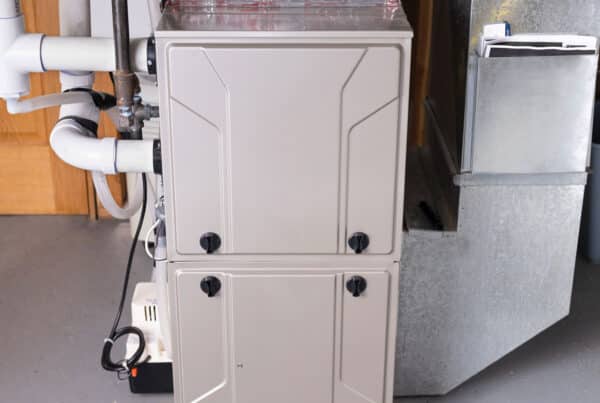
Your furnace has spent the summer off duty, and it’s about to go from idle to working full-time overnight. Before it does, it needs a look from a professional who knows what they’re checking for: burners, ignition components, electrical connections, airflow, the whole system.
A trained technician catches the small stuff, a worn belt, a cracked heat exchanger, a clogged condensate line, before it turns into a no-heat call in January. Our NATE-certified technicians have been doing seasonal tune-ups for over a century, so we’ve seen just about everything a furnace can throw at Utah homeowners.
Fall is also the smartest time to book one. HVAC companies get slammed the second temperatures drop, so scheduling before the rush usually means a faster appointment and more flexibility around your calendar.
Check or Change Your Air Filter
A dirty filter chokes airflow, forces your furnace to work harder than it needs to, and drives up your energy bill in the process. How often it needs changing depends on your filter type, your home, and whether you’ve got pets, but a good rule of thumb is every one to three months during heavy-use seasons.
Pull yours out and hold it up to a light. If you can’t see light coming through, it’s time for a new one. It takes about thirty seconds to inspect, and changing it is one of the cheapest ways to protect your HVAC system.
Set Your Thermostat for Fall (and Actually Use It)
If you’ve got a programmable or smart thermostat, this is the season to put it to work. According to the U.S. Department of Energy, turning your thermostat back 7 to 10 degrees for eight hours a day while you’re asleep or at work, can save you around 10 percent a year on heating costs.
It’s a myth that your furnace has to work harder to recover from a lower setting and cancels out the savings. It doesn’t. Your home loses heat more slowly at a lower indoor temperature, which is where the savings come from.
If you’re still running a manual thermostat and resetting it by hand morning and night, a programmable upgrade pays for itself since you don’t have to remember to change the settings.

Test Your Smoke and Carbon Monoxide Alarms
Furnaces, water heaters, and gas fireplaces all produce carbon monoxide. When there’s proper ventilation, that’s not a problem. But a cracked heat exchanger or a blocked flue, on the other hand, can turn it into a serious one, and CO is invisible and odorless, so an alarm is your only warning system.
The CDC recommends checking your detector batteries when you change your clocks each spring and fall. Since daylight savings time and the start of heating season land around the same stretch of the calendar, this is an easy one to bundle with your other fall to-dos. While you’re at it, confirm you’ve got a working detector on every level of the house and near sleeping areas.
Get Your Fireplace or Chimney Inspected
If you’ve got a wood-burning or gas fireplace, don’t light the first fire of the season without an inspection from a certified chimney sweep first. Creosote builds up in a flue over time, and it’s a fire hazard. The National Fire Protection Association’s NFPA 211 standard recommends chimneys and vents to be inspected at least once a year, and cleaned if needed, regardless of how much or how little you used the fireplace last winter.
Gas fireplaces aren’t exempt from this either. Their venting can corrode over time, and a blocked flue creates the same carbon monoxide risk as a wood-burning unit.
Seal Up the Drafts
Walk through your house on a cool morning and hold your hand near windows, exterior doors, and any spot where pipes or wiring pass through an exterior wall. Cold air sneaking in means warm air sneaking out. Fresh caulk around window frames and weatherstripping on exterior doors are a weekend project, and they can make a dent in how hard your system has to work all winter.

Don’t Wait Until You’re Cold to Call
HVAC problems rarely happen at a convenient time. They appear up on the coldest night of the year, right when every other HVAC company in the valley is booked. Getting your system checked now, while it’s still working fine, is how you stay off that list.
Manwill has been keeping Utah homes comfortable since 1920, and our licensed, insured, NATE-certified technicians are available 24/7 for the moments that can’t wait. If it’s been a while since your furnace had an inspection, let’s get it taken care of. Reach out to schedule your fall furnace tune-up and head into the colder seasons with one less thing to worry about.